Market Watch
Why Fixed Income Is Back: Income, Selectivity and the New Bond Market Regime

For more than a decade, fixed income investors operated in an environment defined by exceptionally low interest rates, compressed yields and central bank support. Bonds played an important role in portfolios, but often struggled to generate meaningful income or attractive real returns.
Today, the landscape looks very different.
Higher interest rates, persistent inflation pressures and a changing macroeconomic backdrop have created one of the most attractive environments for fixed income investing in years. Yet investors should not assume that the bond market has simply returned to its pre-pandemic playbook. The drivers of performance have changed, and so must the investment approach.
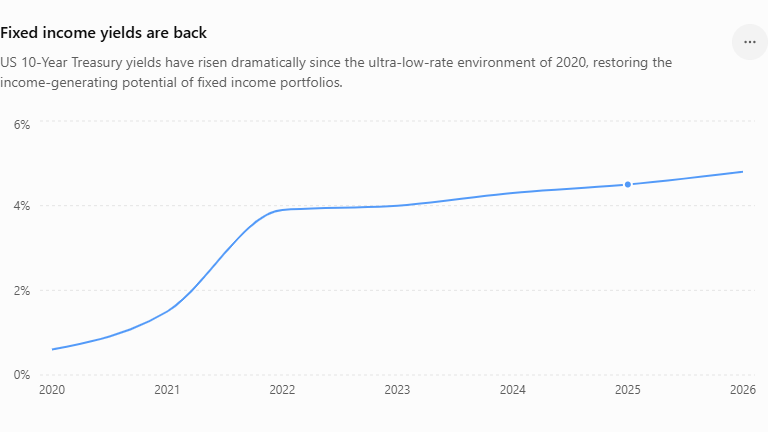
Image 1: US 10-Year Treasury yield 2020-2026
The post-pandemic economy has been characterized by a series of supply-side shocks. Energy markets, geopolitical tensions, supply chain disruptions and structural labour shortages have all contributed to inflationary pressures that differ significantly from traditional demand-driven economic cycles.
In this environment, slowing growth does not automatically translate into lower inflation. As a result, central banks have less flexibility than they enjoyed during previous economic slowdowns.
For fixed income investors, this creates a more complex landscape:
The era of simply buying bonds and waiting for rates to fall may be over. The next phase is likely to reward active management, flexibility and disciplined portfolio construction.
For more than a decade, bond investors benefited primarily from declining interest rates and central bank support. Today's market is fundamentally different. Returns are increasingly driven by income generation, issuer selection and active portfolio management rather than duration exposure alone.
One of the most important developments in today's market is the return of meaningful income.
For many years, bond investors relied heavily on capital gains generated by falling yields. Today, starting yields themselves have become an attractive source of return.
This distinction is important.
When investors purchase a high-quality corporate bond yielding 4%, 5% or even more, a significant portion of their expected return can be generated through income alone, reducing reliance on market timing or aggressive duration positioning.
In many cases, the carry available from well-diversified fixed income portfolios now exceeds the returns that investors could reasonably expect from cash over a medium-term investment horizon.
This creates a compelling opportunity for investors seeking stable income, capital preservation and attractive risk-adjusted returns.
Credit spreads remain relatively tight by historical standards, meaning investors are not being generously compensated for indiscriminately taking credit risk.
Instead, opportunities increasingly exist at the issuer level.
Companies exposed to structural growth themes such as artificial intelligence, digital infrastructure and productivity-enhancing technologies may experience very different outcomes from businesses facing margin pressure, weaker demand or disruptive competition.
Similarly, regional differences are becoming more pronounced.
European credit markets, emerging market debt and selected securitized assets may offer attractive opportunities, but careful analysis is essential. The dispersion between winners and losers is increasing, creating an environment where active managers can add significant value through security selection.
The current environment continues to present uncertainty regarding inflation, energy prices and fiscal policy. Long-duration assets remain vulnerable to renewed inflation shocks and changing interest rate expectations.
As a result, many investors are focusing on the front and intermediate segments of the yield curve, where income remains attractive while interest rate sensitivity is more manageable.
Maintaining a balanced duration profile allows investors to benefit from elevated yields without becoming overly dependent on a specific interest rate outcome.
Many emerging economies entered this cycle with stronger fiscal positions, healthier external balances and more credible monetary policy frameworks than in previous decades.
At the same time, yields remain attractive across both hard currency and local currency debt markets.
Global diversification is also becoming increasingly important. Different regions are responding differently to inflation, growth and monetary policy challenges, creating opportunities for investors willing to look beyond their domestic markets.
Time for Bonds?
Explore the Portugal Golden Income Fund
Explore the Atlantic Bond Fund
Both strategies are built around the same conviction: in today's market, investors are once again being paid to own quality fixed income assets.
The opportunity, however, is not simply about buying bonds. It is about understanding a new market regime where inflation dynamics have changed, interest rate volatility remains elevated and security selection plays a much greater role in generating returns.
For investors willing to embrace active management, diversification and a disciplined focus on income, the current environment offers opportunities that have been largely absent for more than a decade.
At 3 Comma Capital, we believe that income, selectivity and flexibility will be the defining pillars of successful fixed income investing in the years ahead.
For investors, this means focusing on quality, diversification and active management. The era of relying on falling interest rates to drive fixed income returns may be behind us; the opportunity today lies in harvesting attractive yields while selectively identifying the strongest issuers and the most resilient segments of the global bond market.
Portugal Golden Income Fund [link]
Atlantic Bond Fund [link]
Today, the landscape looks very different.
Higher interest rates, persistent inflation pressures and a changing macroeconomic backdrop have created one of the most attractive environments for fixed income investing in years. Yet investors should not assume that the bond market has simply returned to its pre-pandemic playbook. The drivers of performance have changed, and so must the investment approach.
Key Takeaways
- Higher bond yields have created one of the most attractive fixed income environments in more than a decade.
- Income generation ("carry") is once again becoming the primary driver of bond returns.
- Credit selection is increasingly important as the gap between winners and losers widens across sectors and regions.
- Duration exposure should remain disciplined, as inflation and policy uncertainty continue to drive volatility.
- Diversified global fixed income portfolios can benefit from opportunities across investment grade credit, emerging markets and Asian fixed income.
- The Portugal Golden Income Fund and Atlantic Bond Fund are positioned to benefit from this environment through diversified, actively managed fixed income exposure.
Why Income Matters Again
A New Market Regime
Image 1: US 10-Year Treasury yield 2020-2026
The post-pandemic economy has been characterized by a series of supply-side shocks. Energy markets, geopolitical tensions, supply chain disruptions and structural labour shortages have all contributed to inflationary pressures that differ significantly from traditional demand-driven economic cycles.
In this environment, slowing growth does not automatically translate into lower inflation. As a result, central banks have less flexibility than they enjoyed during previous economic slowdowns.
For fixed income investors, this creates a more complex landscape:
- Interest rate volatility remains elevated.
- Inflation risks remain present.
- Credit markets are becoming increasingly differentiated.
- Security selection matters more than broad market exposure.
The era of simply buying bonds and waiting for rates to fall may be over. The next phase is likely to reward active management, flexibility and disciplined portfolio construction.
Credit Selection Is Becoming More Important
Income Is Once Again the Main Driver of Returns
| 2010–2021 | 2022–2026+ |
|---|---|
| Falling interest rates | Higher interest rates |
| Quantitative easing (QE) | Quantitative tightening (QT) |
| Capital gains drove returns | Carry income drives returns |
| Duration exposure rewarded | Credit selection rewarded |
| Passive exposure often sufficient | Active management increasingly important |
| Central banks suppressed volatility | Inflation creates volatility |
| Yield scarcity | Yield abundance |
| Search for return | Search for quality income |
For more than a decade, bond investors benefited primarily from declining interest rates and central bank support. Today's market is fundamentally different. Returns are increasingly driven by income generation, issuer selection and active portfolio management rather than duration exposure alone.
One of the most important developments in today's market is the return of meaningful income.
For many years, bond investors relied heavily on capital gains generated by falling yields. Today, starting yields themselves have become an attractive source of return.
This distinction is important.
When investors purchase a high-quality corporate bond yielding 4%, 5% or even more, a significant portion of their expected return can be generated through income alone, reducing reliance on market timing or aggressive duration positioning.
In many cases, the carry available from well-diversified fixed income portfolios now exceeds the returns that investors could reasonably expect from cash over a medium-term investment horizon.
This creates a compelling opportunity for investors seeking stable income, capital preservation and attractive risk-adjusted returns.
Why Credit Selection Matters More Than Ever
While the overall backdrop for fixed income has improved, not all bonds are created equal.Credit spreads remain relatively tight by historical standards, meaning investors are not being generously compensated for indiscriminately taking credit risk.
Instead, opportunities increasingly exist at the issuer level.
Companies exposed to structural growth themes such as artificial intelligence, digital infrastructure and productivity-enhancing technologies may experience very different outcomes from businesses facing margin pressure, weaker demand or disruptive competition.
Similarly, regional differences are becoming more pronounced.
European credit markets, emerging market debt and selected securitized assets may offer attractive opportunities, but careful analysis is essential. The dispersion between winners and losers is increasing, creating an environment where active managers can add significant value through security selection.
Duration Still Requires Discipline
Although bond yields are attractive, duration management remains important.The current environment continues to present uncertainty regarding inflation, energy prices and fiscal policy. Long-duration assets remain vulnerable to renewed inflation shocks and changing interest rate expectations.
As a result, many investors are focusing on the front and intermediate segments of the yield curve, where income remains attractive while interest rate sensitivity is more manageable.
Maintaining a balanced duration profile allows investors to benefit from elevated yields without becoming overly dependent on a specific interest rate outcome.
Global Opportunities Beyond Traditional Bonds
Emerging Markets and Global Diversification
Another area of growing opportunity is emerging market debt.Many emerging economies entered this cycle with stronger fiscal positions, healthier external balances and more credible monetary policy frameworks than in previous decades.
At the same time, yields remain attractive across both hard currency and local currency debt markets.
Global diversification is also becoming increasingly important. Different regions are responding differently to inflation, growth and monetary policy challenges, creating opportunities for investors willing to look beyond their domestic markets.
Time for Bonds?
How We Position Our Portfolios
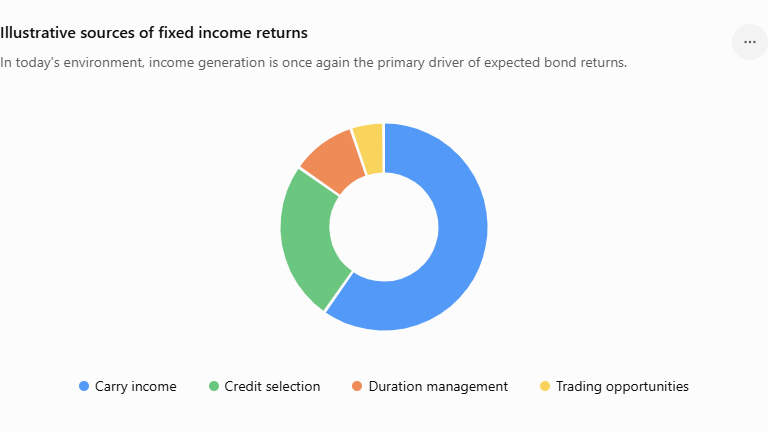
Image 2: Sources of Fixed-Income returns
At 3 Comma Capital, we believe the current environment reinforces the importance of diversification, active management and income-focused investing.
Portugal Golden Income Fund
Within the Portugal Golden Income Fund, fixed income remains the core allocation of the portfolio. The strategy combines high-quality corporate bonds with carefully selected allocations to global equities and alternative assets, seeking to balance capital preservation, income generation and inflation hedging with long-term growth potential with a small allocation to Bitcoin.Explore the Portugal Golden Income Fund
Atlantic Bond Fund
Similarly, the Atlantic Bond Fund was specifically designed for investors seeking a pure fixed income solution aiming capital preservation. The fund focuses on high-quality corporate credit, diversified bond exposures and active risk management, aiming to deliver attractive risk-adjusted returns over a medium-term investment horizon.Explore the Atlantic Bond Fund
Both strategies are built around the same conviction: in today's market, investors are once again being paid to own quality fixed income assets.
Conclusion
Fixed income has re-emerged as one of the most compelling areas of global capital markets.The opportunity, however, is not simply about buying bonds. It is about understanding a new market regime where inflation dynamics have changed, interest rate volatility remains elevated and security selection plays a much greater role in generating returns.
For investors willing to embrace active management, diversification and a disciplined focus on income, the current environment offers opportunities that have been largely absent for more than a decade.
At 3 Comma Capital, we believe that income, selectivity and flexibility will be the defining pillars of successful fixed income investing in the years ahead.
► Bottom Line
In a world characterized by persistent inflation, supply-driven shocks and growing market dispersion, bond returns are increasingly likely to come from income generation and careful credit selection rather than from spread compression or aggressive interest rate bets.For investors, this means focusing on quality, diversification and active management. The era of relying on falling interest rates to drive fixed income returns may be behind us; the opportunity today lies in harvesting attractive yields while selectively identifying the strongest issuers and the most resilient segments of the global bond market.
Learn More
Explore our fixed income strategies:Portugal Golden Income Fund [link]
Atlantic Bond Fund [link]
 |
Investment Director
|
David, Investment Director at 3 Comma, has extensive blockchain project experience as a consultant and developer. His 20-year career includes trading at Portuguese banks and leading the trading division at the Portuguese Debt Management office. He also lectures on finance at NovaIMS Information Management School, holding degrees in Economics and Financial Markets.
More about David Duarte


